
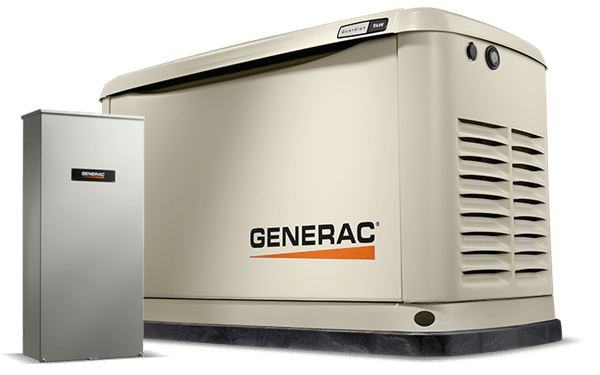
When the power goes out during a Gulf Coast storm, your standby generator should start automatically without you having to think twice. The problem is that many generators sit untouched for months or even years. Without routine, professional standby generator maintenance, you may not discover a problem until your family is already in the dark.
Regular maintenance prevents most of those problems before they start. This guide walks you through what to watch for as a homeowner, and which tasks should always be handled by an experienced electrician, so your generator is ready every time you need it.
For nearly 50 years, homeowners across Pensacola have trusted Scapin Electric to keep their backup power systems ready for hurricane season.
Key Takeaways
- Do a quick visual check around your generator every week or two — homeowners can safely handle this part
- Battery, oil and filters, fuel system, electrical output, the automatic transfer switch, and other internal components should be inspected and serviced by a licensed electrician
- Have your generator professionally tested under load on a regular schedule, not just self-tested
- Schedule a full professional inspection once a year, especially before hurricane season
- Scapin Electric keeps a maintenance log for your system so you always know what’s been done and what’s due
What Homeowners Can Watch For
Some things are worth a quick look between professional visits. These are simple, visual checks — not hands-on maintenance — and they help you catch anything obvious that might need a technician’s attention sooner than your next scheduled visit.
Every week or two, do a visual walk-around of your generator. Look for oil or coolant stains on the ground, corrosion on the housing, bird nests, or debris near the unit. Clear away anything that could block airflow or access panels, and note anything unusual for your next service visit.
Keep the area around the generator clear. Trim back vegetation that’s grown close to the unit, and make sure nothing — mulch, landscaping fabric, shrubs — is blocking the exhaust or air intake vents.
Watch for warning signs during an outage or self-test, like the unit failing to start, running rough, or shutting off unexpectedly. If you notice any of these, that’s the signal to call in a technician rather than troubleshoot it yourself.
Beyond these visual checks, the rest of what keeps a standby generator reliable — the battery, oil, fuel system, electrical components, and transfer switch — involves diagnostic work and equipment best left to a licensed electrician.
What Your Electrician Should Handle
This is where the real work of standby generator maintenance happens. These tasks require training, testing equipment, and manufacturer-specific knowledge to do safely and correctly; attempting them without that experience can mask a bigger problem or even damage the unit.
Battery testing and service. In our experience, a dead battery is by far the most common reason standby generators fail during an outage. Our technicians test terminal connections and battery health on every visit and replace batteries before they become a liability, rather than waiting for a failure to reveal the problem.
Load testing. Many standby generators, including Generac whole-home systems, run a self-test automatically, but a self-test alone doesn’t confirm everything is working the way it should. Our technicians run full load tests to verify the engine, automatic transfer switch, and electrical output are all performing together correctly.
Oil and filter service. Old oil breaks down and loses its ability to protect the engine. Our team changes the oil and oil filter using the grade and interval recommended by your manufacturer, typically every 100 to 200 hours of runtime or once a year.
Fuel system inspection. We check fuel lines for cracks, soft spots, or dry rot, inspect and replace the fuel filter on schedule, and check propane, natural gas, or diesel connections for leaks or degraded fuel. This is especially important in the Pensacola area, where humidity and salt air accelerate wear on components.
Air filter and spark plug service. A clogged air filter strains the engine, and worn spark plugs cause hard starts and rough running. Our technicians inspect and replace these as part of your annual service.
Coolant system checks. In liquid-cooled generators, coolant breaks down over time and can turn acidic, corroding the system from the inside. We test and flush coolant according to the manufacturer’s schedule.
Automatic transfer switch inspection. The transfer switch is what connects your home to generator power automatically during an outage. Our technicians confirm it operates smoothly and that every connection is tight and clean, since this is one component homeowners can’t safely evaluate on their own.
As an authorized Generac installation and service provider, Scapin Electric services Generac standby generators throughout Pensacola and the surrounding Gulf Coast. Every visit is handled by a licensed and insured electrician, not an entry-level technician, so nothing gets missed.
Before Hurricane Season: What to Schedule Ahead of Time
In Northwest Florida, hurricane generator preparation is especially important from June through November. Hurricanes and tropical storms can knock out power for days or even weeks, so this isn’t something to leave until a storm is already in the forecast.
Book your annual professional inspection before June. Our technicians verify every system, battery, oil, fuel, electrical output, and transfer switch is ready before storm season begins, and flag anything that needs attention while there’s still time to address it.
Confirm your fuel supply is ready. If your generator runs on propane or diesel, our team can help you confirm you have enough safely stored fuel to last several days. If it runs on natural gas, we’ll check that the line and meter are in good shape and accessible.
Let us clear and inspect the surrounding area as part of your visit, and confirm the automatic transfer function is tested using the manufacturer’s recommended procedure — not just a homeowner self-test.
Scapin Electric has been serving Northwest Florida since 1979. As a family-owned business with nearly 50 years of hands-on experience, we understand what generators go through in the Gulf Coast climate, and we handle both residential and commercial properties.
Frequently Asked Questions
How often should I have my standby generator serviced? At least once a year, or every 100 to 200 hours of runtime if you use it frequently or it runs for extended periods during outages. Between full services, keep an eye out for anything visibly unusual and let your technician know at your next visit.
What happens if I don’t have my generator serviced regularly? Generators that go without professional service for long periods can develop hidden problems. Fuel can degrade and clog the system, batteries can lose their ability to hold a charge, and seals and gaskets can dry out — often without any visible warning sign until the generator fails to start.
Can I do generator maintenance myself, or should I call an electrician? Homeowners can handle a quick visual check of the unit and the surrounding area. But the tasks that actually keep a generator reliable — battery testing, oil and filter changes, fuel system inspection, electrical output checks, and transfer switch service — should always be handled by a licensed and insured electrician with experience on these systems. This ensures the work is done safely and catches problems a visual check alone can’t reveal.
How do I know if my generator battery needs to be replaced? Signs of a failing battery include slow cranking when the generator starts, visible corrosion on the terminals, or a failed self-test. Most generator batteries last three to five years. If yours is approaching that range, have a technician test it before storm season rather than waiting for it to fail.
What causes a standby generator to fail during a power outage? The most common causes are a dead battery, degraded fuel, a clogged fuel filter, low oil, or a faulty transfer switch — all of which a professional inspection is designed to catch before they become a problem.
Don’t Wait Until the Next Storm Warning
Don’t wait for a storm or a power outage to find out your generator has a problem. Schedule a professional inspection now if it’s been more than a year since your last service.
Scapin Electric provides generator maintenance and inspection services for homeowners across Pensacola, Gulf Breeze, Pace, Navarre, and the surrounding areas. Call 850-434-7250 or visit scapinelectric.com to book your appointment today.